
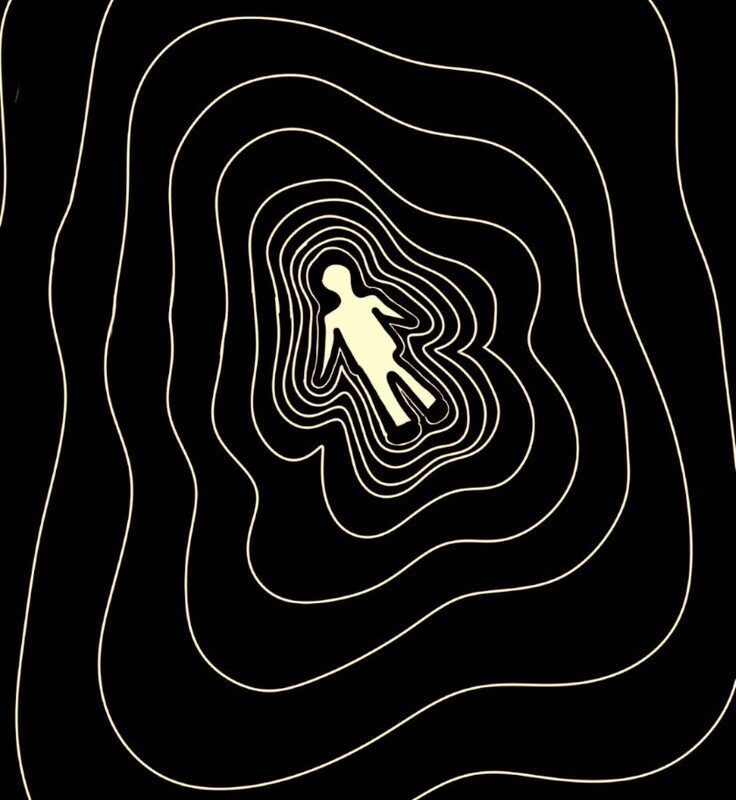
Humans are naturally wired for social interaction. In simple terms the brain is wired to rely on connection for emotional management, stress reduction, and overall mental stability.
During Covid-19, long periods of isolation disrupted normal communications, forcing many people to adapt to a lack of real interaction and increased dependence on digital exchange.
While isolation initially acted as a form of protection, prolonged social separation altered many people’s comfort levels around connection and public interaction.
The brain began adjusting to lower levels of stimulation and social exposure, making social situations feel more mentally exhausting or anxiety inducing over time. Social isolation also increases activity in stress related brain regions, particularly those associated with hypervigilance and emotional processing.
At the same time, reduced social interaction decreases opportunities for oxytocin release, a hormone heavily involved in trust, bonding, and emotional safety. A lack of oxytocin results in higher cortisol levels that ultimately lead to fatigue, depression, and what is commonly referred to as “brain fog,” making it significantly harder to concentrate.
This imbalance can make loneliness feel physically and emotionally heavier, even after isolation is no longer necessary. Even after the pandemic ended, many people found themselves feeling unable to connect with others without digital communication such as texting. Staying home felt easier than going out, and social anxiety became more normalized with a lack of exposure to other people. Reflect on your personal experience of moving on from the pandemic, and try to recall the struggle of integrating back into your social life. Was there ever a moment of frustration or apprehension when speaking with others; even when those others were your peers or coworkers? This is due to the prolonged isolation caused by Covid-19, leading to an increased anxiety, depression, emotional detachment, and difficulty maintaining relationships.
Covid may have ended physically, but for many people, the neurological and emotional effects of long term isolation continue to shape the way they socialize, connect, and respond to the world around them.