
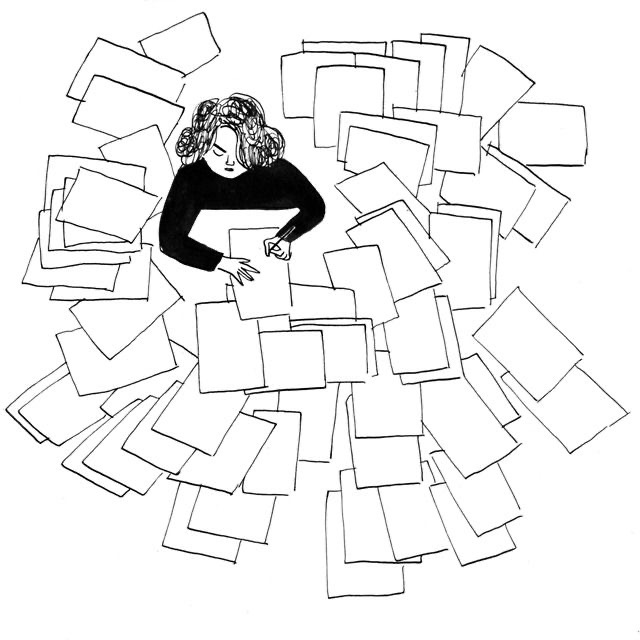
Procrastination is often mistaken for laziness, but it’s actually the brain’s attempt to avoid discomfort, stress, or emotional pressure.
When a task feels overwhelming, difficult, or emotionally draining, the brain looks for immediate relief by shifting attention toward something easier or more rewarding. This activates the brain’s reward system, where short term distractions temporarily reduce stress and create a sense of comfort. As a result, procrastination becomes negatively reinforcing because avoiding the task improves emotional state in the moment.
At the same time, the prefrontal cortex, responsible for focus and self regulation, struggles against the brain’s desire for a quick fix. This internal conflict can make even simple tasks feel mentally exhausting before they are started. Over time, repeated procrastination increases stress because responsibilities continue to build while avoidance patterns strengthen. The brain then begins associating the task itself with anxiety, making it even harder to begin in the future.
Many people who procrastinate are not avoiding work itself, but avoiding the emotional discomfort attached to it, such as fear of failure, perfectionism, or self doubt. Procrastination is not simply poor time management, it is often the brain prioritizing short term emotional relief over long term stability and achievement.