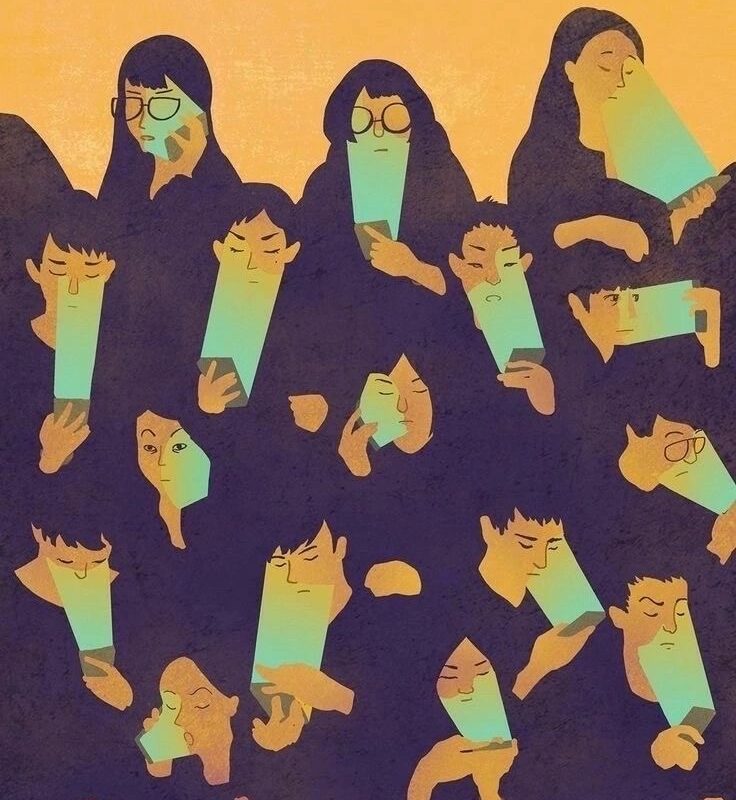
What happens to you while you scroll? Let’s take deeper look. Non-stop scrolling taps into your brain’s dopamine reward system, the same system involved in habits and addiction.
Social media platforms use “rewards” such as new posts and likes, mirroring variable reinforcement, a powerful conditioning method. In this context, it would signify that rewards like enjoyable content appear at unpredictable times, reinforcing your brain to adapt to these occasional rewards and push you into scrolling for longer. This keeps you wanting to check your phone even when you don’t consciously choose to.
Research shows heavy social media use is linked to shorter attention spans and more difficulty focusing on long tasks. By reinforcing such sporadic dopamine hits in short periods of time, the brain adapts to these effects and ultimately intensifies disinterest in any form of delayed gratification. Exposure to fresh and easily available content trains your brain to expect constant stimulation, making slower activities feel boring. Studies also connect excessive scrolling to increased anxiety and depressive symptoms, especially in teens.
We tend to scroll the most during the night, when all our real life tasks are done. Yet, late night scrolling disrupts sleep cycles due to suppression in melatonin production as a result of prolonged blue light exposure and stimulation. Poor sleep then results in a worsened mood, memory, and emotional regulation the next day.
Limiting time on social media or taking intentional breaks from mindless scrolling can help reset your attention span and improve mental clarity. However, continuing to place dependence on the dopamine rush social media provides results in a noticeable lack of focus and feeling worse after extended periods of scrolling, even if you don’t immediately connect it to your screen time.