
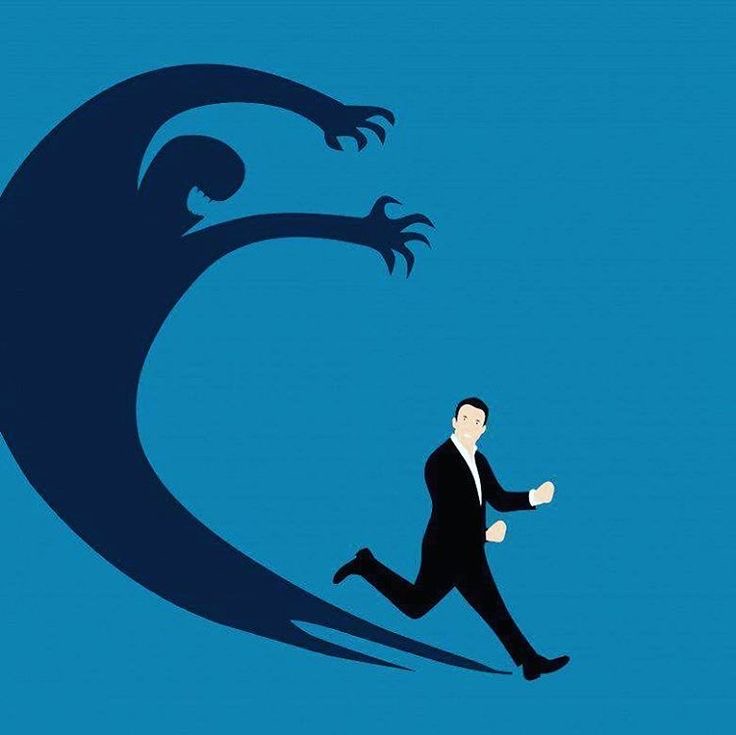
The fight or flight response is your brain’s automatic survival system, designed to protect you from danger by preparing your body to react quickly. When the brain detects a threat, the amygdala sends signals that activate the sympathetic nervous system, triggering the release of adrenaline and cortisol.
This immediately increases heart rate, breathing, and alertness while redistributing energy to survival functions. At the same time, activity in the prefrontal cortex decreases, which is why people often struggle to think clearly during high stress situations. Although this response is useful during moments of actual danger, unfortunately the brain cannot always distinguish between physical threats and emotional stress. As a result, situations involving conflict, pressure, embarrassment, or anxiety can trigger the same biological response as real danger.
When the fight or flight system is activated often over a prolonged period of time, the nervous system can remain in a state of stress and hyper vigilance. Over time, activation of this response is linked to anxiety, emotional exhaustion, sleep disruption, and difficulty regulating emotions. People who grow up in highly stressful or unpredictable environments may develop a heightened stress response because the brain adapts to constantly inspecting for danger.
The fight or flight response is meant to protect you temporarily, however when the brain stays in survival mode for too long, it begins to affect how you think, feel, and relationships with others around you.