Humans naturally seek validation, however what it’s actually linked to is the brain’s need for social acceptance, emotional safety, and belonging.
From an evolutionary perspective, being accepted by others increased chances of survival, which is why the brain still treats rejection and approval as emotionally significant today. When people receive attention or approval, the brain releases dopamine, reinforcing behaviors associated with social reward. This is why compliments, likes, messages, and appreciation can temporarily boost your mood and self esteem.
At the same time, the brain processes social rejection in some of the same regions involved in physical pain, making exclusion feel deeply personal and emotionally intense. Childhood experiences also shape validation seeking behaviors, especially when love, attention, and approval is conditional rather than constant.
Over time, the brain begins associating self worth with external reactions, causing people to constantly mirror their value with the perception of others. This often leads to anxiety, perfectionism, people pleasing, and dependence on others. The more validation becomes tied to identity, the harder it becomes to feel secure without external approval.
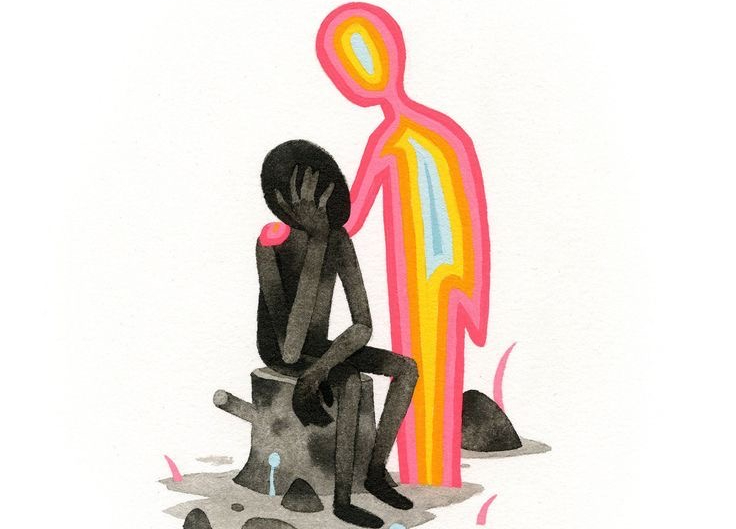
Wanting validation is part of being human, but when your sense of value depends entirely on other people’s opinions, the brain begins to prioritize acceptance over authenticity. This ultimately creates a cycle of harmful behaviors that deepen low self-esteem and an inferiority complex.